

River Beat Security Cameras: Monitoring Fishing Permits & Unauthorised Access
Illegal fishing is officially on the rise — and river beats are the hardest waters of all to police.
The Environment Agency has warned that illegal angling is on the rise, with over 360 offence reports issued in a single six-month period in the South East alone, and fines of up to £2,500 per offence for fishing without a licence. Nationally, fines for illegal fishing topped £54,000 in just three months. Yet the people expected to catch offenders on club waters — angling club bailiffs — are volunteers with no powers of arrest, patrolling miles of bank in their own time.
A river beat can't be fenced, gated, or watched around the clock. It's long, linear, often remote — and between bailiff rounds, anyone can slip on, fish it, and leave. Was that angler on the top beat a member? Did the Tuesday rod buy a day ticket? Nobody knows, because nobody saw.
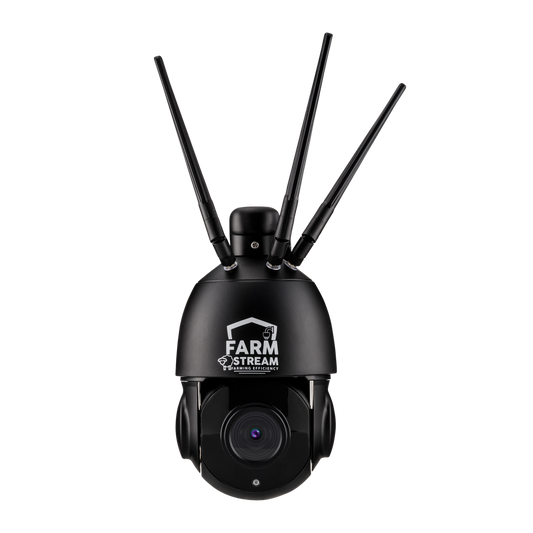
That's exactly the problem the Farmstream Solar 360 Mini solves: a solar-powered, 4G-connected river security camera that records who fished the beat, and when — with no WiFi, no mains power, and no confrontation on the bank.
This guide explains how angling clubs, syndicates, and riparian owners use off-grid CCTV to monitor permits, deter unauthorised fishing, and back up their volunteer bailiffs. (Run a stillwater rather than a river? Carp theft and poaching at lakes is a different problem — see our dedicated guide to fishing lake security cameras.)
Why River Beats Are So Hard to Police

A stillwater fishery has a gate, a car park, and a bank you can walk in twenty minutes. A river beat is different: it might run for a mile or more, crossed by footpaths, reachable from bridges, lay-bys, and neighbouring land. The problems club committees deal with are all hard to catch in the act:
- Unauthorised fishing: Anglers fishing the beat with no club membership, no day ticket — and often no Environment Agency rod licence either. The EA reports illegal angling rising year on year.
- Permit dodging: Lapsed members and "occasional" rods who fish regularly but only pay when they see a bailiff coming — quietly eroding the club's income and everyone else's subscriptions.
- Close season fishing: On rivers in England the coarse close season runs 15 March to 15 June inclusive. The beat should be empty — but out-of-season fishing is exactly when nobody's checking.
- Fish removal and fixed engines: Fish taken for the pot, set lines, and illegal nets. The Canal & River Trust reports bailiffs finding dozens, if not hundreds, of illegal fixed engines every year.
- Vehicle crime at the access point: Members' cars in remote lay-bys and unlit car parks are easy targets during long sessions.
And the enforcement reality? Club bailiffs are volunteers — legally "water keepers" with no powers of arrest, giving up evenings and weekends to walk the bank. A bailiff can't be everywhere, and a determined offender simply fishes when the bailiff isn't there.
River beat CCTV offers three layers of protection:
- Deterrence: Visible cameras and signage at the access points make the beat a much less comfortable place to fish without a permit.
- Detection: Smart motion alerts tell the bailiff team someone is on the beat the moment they arrive — day or night, in season or out.
- Evidence: High-definition, timestamped footage of who fished, when, and what they arrived in — for club records, Environment Agency reports, and police reports.
EXPERT ADVICE: The camera's biggest gift to a volunteer bailiff is taking confrontation out of the job. Bailiffs have no legal powers of arrest — and challenging a stranger alone on a remote bank is the part of the role most volunteers dread. With footage in hand, the club can identify repeat offenders, report unlicensed fishing to the Environment Agency's 24/7 hotline (0800 80 70 60), and involve the police with evidence — no bankside argument required.
Why the Solar 360 Mini Is Ideal for River Beats
The Farmstream Solar 360 Mini was designed for exactly these conditions. At just £199, it's a fully self-contained off-grid security camera that runs entirely on solar power and connects via 4G — no wiring, no broadband, and no electrician needed.
Here's why angling clubs and riparian owners are choosing it:
- Completely off-grid: The included 26 W solar panel and built-in battery keep the camera running 24/7 — even through overcast UK winters.
- No WiFi needed: The built-in eSIM auto-connects to the strongest 4G network in your area (EE, Vodafone, Three, or O2) — valuable on rural river valleys where only one network may reach.
- 5MP HD video (2560 × 1920): Sharp enough to identify faces at the stile and number plates in the lay-by.
- 355° pan and 90° tilt: Cover the car park, the gate, and the first stretch of bank from a single camera position.
- Auto-tracking: Detects human movement and automatically follows people along the bank.
- 20–30 m infrared night vision: Clear footage after dark — when set lines go in and out-of-season rods appear.
- Two-way audio: A polite "this water is permit-only and CCTV is in operation" through the camera's speaker moves most chancers on without anyone leaving home.
- Smart push alerts: The bailiff team knows someone is on the beat the moment they arrive.
- 64 GB on-board storage: Records approximately 2–3 weeks of continuous 24/7 footage (upgradeable to 256 GB).
- IP66 weatherproof: Built for exposed banks, driving rain, and riverside winters.
- Portable and relocatable: Move the camera between beats as problems move — or lift it clear before winter floods.
For long views down a straight beat or a large car park, pair the Solar 360 Mini with the Farmstream 360 (4K PTZ) for additional long-range coverage.
TOP TIP: You don't need to see every yard of a mile-long beat — you need to see the way in. Almost every angler arrives through the same few choke points: the car park, the access gate, the stile off the footpath. One camera on the main access point records virtually everyone who fishes the beat, whichever swim they head for.
Permit Enforcement Without Confrontation
This is where a river camera earns its keep in a way no lake camera has to. On most club waters, the question isn't usually "is someone stealing our fish?" — it's "did everyone who fished this week actually have a permit?"
Here's how clubs use the Solar 360 Mini for permit monitoring:
- Record who fished, and when: The access-point camera gives you a timestamped record of every angler on and off the beat, 24/7 — no bailiff round required.
- Reconcile against tickets: Compare footage against day-ticket sales and the members' list. Three visits on camera and no ticket bought tells its own story.
- Follow up calmly: Instead of a confrontation on the bank, the secretary writes to the member — or the club reports a stranger to the EA — with dates, times, and images attached.
- Spot the patterns: Repeat offenders tend to favour the same day, time, and swim. Once you know the pattern, the bailiff (or the police rural crime team) can be there — or the camera can be moved to meet them.
- Protect the club's income: Day-ticket revenue and subscriptions fund stocking, habitat work, and leases. Every unpaid visit is money taken from the water — with average fines running at £380 per illegal fishing offence, the deterrent maths favours the club.
COMMON MISTAKE: Pointing the camera at the water. A wide shot of the river looks reassuring, but an angler in mid-frame at 80 m is an unidentifiable silhouette. Point the camera at the pinch point where people pass close by — the gate, the stile, the path from the car park — and you'll capture faces and clothing at a distance where the 5MP sensor can actually identify them. The 355° pan means you can still sweep the bank on demand.
Key Features to Look For in a River Beat Camera
Not all security cameras are suited to riversides. Here's what matters most when choosing off-grid CCTV for a beat — and how the Solar 360 Mini delivers:
- No power dependency: Solar with built-in battery means no generators or mains connections miles from the nearest building. The Solar 360 Mini includes a 26 W panel designed specifically for UK light conditions.
- No WiFi dependency: 4G connectivity with an auto-switching eSIM means you can deploy on any beat with mobile coverage.
- Remote pan, tilt, and zoom: Check the beat from your phone — sweep the bank, zoom on the far stile — without driving out for a look.
- Auto-tracking: The camera detects and follows human movement automatically, so nobody needs to watch the feed constantly.
- Instant motion alerts: Push notifications the moment movement is detected — invaluable overnight, midweek, and right through the close season when the beat should be silent.
- 24/7 recording: Continuous recording to the on-board SD card means nothing is missed even if nobody checks the app for days. Footage is also handy for checking river levels after heavy rain, confirming work parties turned up, and monitoring bank erosion.
- Two-way audio: Warn off unauthorised rods — or greet visiting anglers and point them to the day-ticket page.
- Multi-user access: Share camera access with the whole bailiff team and committee — there's no limit on connected devices, so whoever's nearest the water can respond to an alert.
Solar Power & 4G: No Mains, No WiFi, No Problem
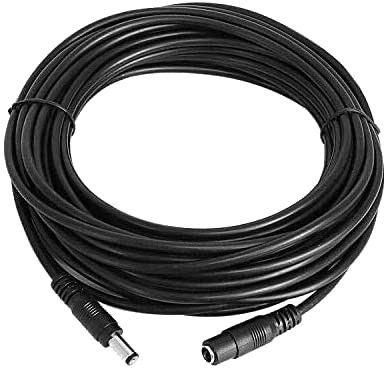
River beats almost never have power or broadband — the nearest socket might be a farmhouse two fields away. The Solar 360 Mini is built for exactly this. It ships with a 26 W solar panel (400 mm × 350 mm) and a 2 m cable: mount the camera where the view is best and the panel where the light is best, up to 2 m apart. The built-in battery carries the camera through the night and overcast days, and intelligent power management keeps it running year-round — even through the shortest days of a UK winter.
How 4G data works with river beat cameras:
- The camera records 24/7 to its internal 64 GB SD card — this uses zero 4G data.
- 4G data is only consumed when you view live or recorded footage through the CamHipro app.
- Push notifications (motion alerts) use negligible data.
Farmstream's 4G Streaming Plan costs just £89/year and includes 50 hours of live viewing — plenty for reviewing alerts and regular check-ins on the water. Monthly and higher-usage plans are also available, and the camera is fully unlocked if you'd rather use your own data SIM.
COMMON MISTAKE: Not checking mobile signal before fixing the camera position. Rivers sit at the bottom of valleys, and steep wooded banks can create 4G dead spots. Before mounting, stand at the intended spot and check for signal on any UK network (the eSIM will find the strongest one). If the bank itself is a dead spot, the car park or access gate above the valley usually isn't — and that's where the camera does its best work anyway.
Solar Cameras vs Wired CCTV: How the Costs Compare
Clubs that look into CCTV usually get quotes for professionally installed wired systems — and quickly discover they only work where there's a building and a power supply, which on a river beat means nowhere useful. Here's how the costs compare:
| Solar 360 Mini | Installed Wired CCTV | |
|---|---|---|
| Upfront cost | £199 (you own it) | Installation, trenching & cabling (typically £1,000+ per camera position) |
| Ongoing cost | £89/year (optional 4G plan) | Maintenance contracts, electricity |
| Works on a remote riverbank | Yes — solar + 4G | No — needs power & broadband nearby |
| Coverage hours | 24/7 recording + smart alerts | 24/7 (where it can be installed) |
| Moves between beats / above floods | Yes — relocate in minutes | No — fixed positions |
| Remote access via app | Yes — free CamHipro app, unlimited users | Sometimes (extra cost) |
| Self-install by the work party | Yes — under 10 minutes | No — engineer visit required |
| Cost to cover 3 access points | £597 one-off | £3,000+ (where possible at all) |
For a typical club, three Solar 360 Mini cameras (£597 total) covering the car park and the two main access points give 24/7 coverage of everyone on and off the water — for less than a season's worth of stocking, and far less than the install cost of a single wired camera position. Split across a membership, it's pennies per member — and unlike a bailiff, a camera never misses a Tuesday morning.
Mounting Options: Access Points, Car Parks, Stiles & Huts

The Solar 360 Mini ships with pole mount fixings, screws, and fittings — so installation on the bank is straightforward without specialist tools. Common mounting locations on river beats include:
- The club car park or lay-by: The single most valuable position. Almost every angler — authorised or not — leaves a vehicle here. Number plates, faces, arrival and departure times, all in one view, plus protection for members' cars during long sessions.
- Access gates and stiles: The pinch points where the footpath meets the beat. Everyone passes within a few metres of the camera — ideal for identification.
- Fishing huts and lodges: An elevated, secure mounting point that also protects the hut itself and any tackle stored inside.
- Bridges and popular named pools: A camera overlooking the beat's most poached pool records what the access-point camera can't — what people actually did on the bank.
- Boundary poles: A 3–4 m pole where your water meets the neighbouring beat helps resolve "I thought this was the free stretch" disputes for good.
Because the Solar 360 Mini is completely self-contained, you can relocate it in minutes — just unbolt, move, and remount. If the problem moves from the bottom beat to the top beat, the camera moves too. No rewiring, no reconfiguration. The camera reconnects to 4G automatically.
Important: Mount the solar panel within 2 m of the camera (the cable cannot be extended) and ensure it's positioned in an unshaded spot for reliable charging — on tree-lined banks, the open ground by the car park or a break in the canopy works best.
TOP TIP: Mount above the winter flood line. Rivers that look placid in July can rise metres in a wet January — so put the camera 3–4 m up a pole or tree on the highest practical ground, and keep the solar panel above known flood levels too. Mounting high also puts the camera out of easy reach of tampering, and because footage streams off-site via 4G, the evidence survives even if the camera doesn't.
Setup in Under 10 Minutes
The Solar 360 Mini is a true plug-and-play river beat camera. No IT knowledge, no network configuration, and no specialist installer required — one work party, one morning, done.
Four steps to get your beat covered:
- Mount the camera where there's good 4G coverage — on a pole, gate post, hut, or bankside tree above the flood line.
- Mount the solar panel in an unshaded spot within 2 m of the camera.
- Download the free CamHipro app on your phone and scan the QR code on the camera.
- Start viewing, recording, and receiving alerts — you're live.
Multiple devices can connect to the same camera, so the head bailiff, the secretary, and the whole volunteer bailiff team can monitor the water from their own phones. There's no limit on the number of users per camera.
Example Setup: Covering a Mile of Club Water
Here's how a typical club beat — a mile of river with a car park at one end and a footpath crossing the top boundary — can be covered with two cameras:
Camera 1 — the car park and access gate. A Solar 360 Mini mounted 3–4 m up a pole overlooking the parking area and the gate onto the beat. It records every vehicle and every angler on and off the water, 24/7, and pushes an alert the moment anyone arrives — including at 5 am in the close season. Faces and number plates are captured in 5MP detail as people pass the gate.
Camera 2 — the top beat stile. A second Solar 360 Mini covering the stile where the public footpath meets the top of the water — the favourite way in for rods who'd rather not walk past the car park. Auto-tracking follows movement along the bank, and two-way audio lets a bailiff politely remind visitors the water is permit-only, from wherever they happen to be.

Infrared night vision keeps watch after dark — when set lines go in and out-of-season rods appear.
Total cost: £398 for both cameras. Less than most clubs lose to a season of unpaid day tickets — and the club owns the cameras for good. When a lease ends or the problem moves, the cameras move with you.
Legal Considerations, Reporting & GDPR
Three legal points every club committee should know:
1. Fishing without a rod licence is a criminal offence — report it to the Environment Agency. Anyone aged 13 or over needs an EA rod licence to fish rivers in England, and fishing without one carries fines of up to £2,500 per offence, equipment seizure, and a criminal record. Report incidents to the EA's 24/7 hotline on 0800 80 70 60 — timestamped HD footage of the angler, their tackle, and their vehicle transforms the strength of a report.
2. Fishing your water without a permit is a matter for the club — and sometimes the police. An angler without a permit is trespassing on the fishing rights, and taking fish can be theft. Keep footage with your incident log, and involve the police rural crime team (101) where fish are removed, tackle is stolen, or offenders are aggressive. Your bailiffs are volunteers without police powers — the evidence, not the argument, is what gets results.
3. CCTV on the beat must comply with UK GDPR. When using CCTV where members of the public (including your own paying members) are recorded:
- Signage: Display clear signs at the car park and access points notifying visitors that CCTV is in operation — the sign alone is a meaningful deterrent.
- Data control: Store recordings securely and limit access to authorised people — the committee and bailiff team.
- Privacy zones: Angle cameras into the beat, not along public footpaths, the navigation, or neighbouring land. Cover the stile where the path enters your water, rather than the path itself.
The Solar 360 Mini stores all footage locally on its on-board SD card, and remote viewing through the CamHipro app uses a secure encrypted connection — helping clubs remain GDPR-compliant while protecting their water.
EXPERT ADVICE: Make the camera part of your club's bailiffing routine, not a replacement for it. The Environment Agency's enforcement is intelligence-led — reports from clubs and the Angling Trust's Voluntary Bailiff Service shape where officers patrol. A club that reports every incident, with footage attached, is a club whose water gets prioritised. Unreported incidents don't count towards that picture.
FAQs
How much does a river beat security camera cost?
The Solar 360 Mini is a one-off purchase of £199. The optional 4G streaming plan is £89/year (50 hours of live viewing). Recording 24/7 to the SD card uses no data at all. The camera is also fully unlocked if you'd prefer to use your own SIM.
Do I need WiFi or mains power at the river?
No. The Solar 360 Mini runs entirely on solar power with a built-in battery and connects via 4G using its built-in eSIM — which auto-selects the strongest network in your area. No broadband, no router, no mains power required.
Can a camera really help enforce fishing permits?
Yes. A camera on the access point gives you a timestamped record of everyone who fished the beat. Compare it against day-ticket sales and the members' list, then follow up with dates and images — no bankside confrontation needed. Most clubs find the visible camera and signage cut unauthorised visits sharply on their own.
What are the penalties for fishing illegally?
Fishing without an Environment Agency rod licence carries fines of up to £2,500 per offence, equipment seizure, and a criminal conviction. Fishing a private beat without a permit is trespass on the fishing rights, and taking fish can be theft. Report unlicensed fishing to the EA on 0800 80 70 60.
Is it legal to film anglers on my beat?
Yes, provided you comply with UK GDPR: display clear CCTV signage, store recordings securely, limit access to authorised people, and angle cameras into your water rather than at public footpaths or neighbouring land.
Can the whole bailiff team view the same camera?
Yes. There's no limit on the number of devices that can connect to a single camera. Share access with bailiffs, committee members, and the fishery officer — each person just needs the CamHipro app and the camera's login details, so whoever's nearest the water can respond to an alert.
Will the camera cope with winter flooding?
Yes, if mounted sensibly. The camera is IP66 weatherproof, and mounting 3–4 m up a pole or tree keeps it above the winter flood line. If a beat regularly goes under, the camera unbolts and relocates in minutes — it reconnects to 4G automatically.
Does the camera help during the close season?
Very much so. On rivers in England the coarse close season runs 15 March to 15 June inclusive — the beat should be empty, so any motion alert is worth a look. It's also the period when the bank sees the fewest legitimate visitors and the least bailiffing, which is exactly why a 24/7 camera earns its keep.
How do I stop the camera itself being stolen on a remote bank?
Mount cameras out of easy reach (3–4 m high) and use the included pole mount fixings with anti-tamper bolts. Position the camera to cover its own approach — anyone walking up is recorded before they reach it — and because alerts and footage go off-site via 4G, the evidence survives even if the camera doesn't.
Protect Your Beat — From £199
The Solar 360 Mini gives you 5MP HD river beat security with pan, tilt, auto-tracking, and two-way audio — powered entirely by solar and connected via 4G. No WiFi, no mains power, no specialist installation. Just mount it at the access point and go. At £199 — less than a season of unpaid day tickets — it watches the water so your volunteers don't have to.

Free UK shipping · Same-day dispatch before 2 pm (Mon–Fri) · 30-day money-back guarantee · UK-based phone support