
Fly-Tipping Cameras: How Landowners Catch & Prosecute
Fly-tipping is at record levels — and on private land, it's the landowner who pays.
Local authorities in England dealt with 1.26 million fly-tipping incidents in 2024/25 — up 9% in a single year. And those figures only count public land. Dumping on farms, private lanes, and field gateways isn't even included, yet the NFU reports that around two thirds of farmers have been affected by fly-tipping. Worse still: on private land, the legal responsibility for removing the waste falls on the landowner — at an average clean-up cost of around £800 per incident. You didn't dump it, but you pay to clear it.
There is one way to turn the tables: catch them on camera. Fly-tipping is a criminal offence carrying fines of up to £50,000 (or an unlimited fine in the Crown Court), and clear footage of a vehicle, number plate, and the act of dumping is exactly what councils need to prosecute — and what you need to recover your clearance costs.
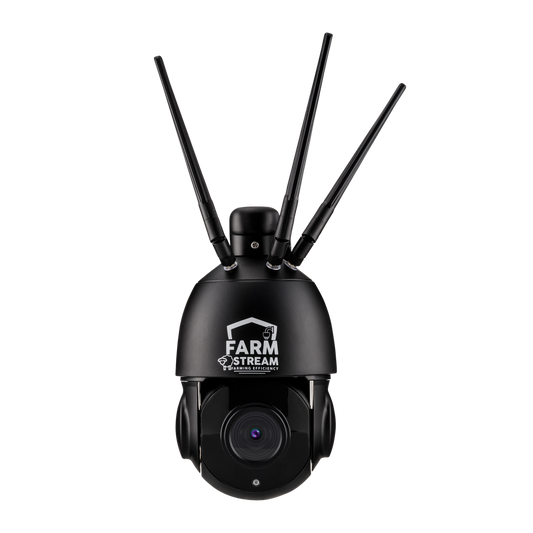
The challenge? Fly-tipping hotspots are gateways, lay-bys, and quiet lanes with no WiFi, no mains power, and nowhere to mount traditional CCTV. That's exactly why we built the Farmstream Solar 360 Mini — a solar-powered, 4G-connected fly-tipping camera that works anywhere with a mobile signal.
This guide explains how to protect your gateways, lanes, and land from fly-tippers — and what to do with the footage when you catch one.
Why Fly-Tipping Is Every Landowner's Problem
Fly-tippers pick their spots carefully: quiet lanes, farm gateways, lay-bys, and field entrances — anywhere a van can pull in, tip, and be gone in under a minute with nobody watching. And once a spot has been tipped, it gets tipped again. A gateway with a mattress in it signals to every passing waste-dodger that this is a place where dumping goes unpunished.
The scale of the problem — and the injustice of it — is stark:
- 1.26 million incidents on public land alone in 2024/25, up 9% year on year — with private land incidents not even counted in the official figures.
- Two thirds of farmers affected: the NFU reports fly-tipping is one of the most common rural crimes, and only around a quarter of waste crime incidents are ever reported.
- The victim pays: on private land, clearance is the landowner's legal responsibility. Councils won't clear it for free, waste must be removed by a licensed carrier, and the average clean-up bill is around £800 per incident — far more for tipper-lorry loads of builders' waste.
- Prosecutions are rare without evidence: historically only around 1 in 600 incidents has led to a prosecution — because in most cases there's simply no proof of who did it.
A fly-tipping camera changes the maths in three ways:
- Deterrence: a visible camera high on a pole, with CCTV signage, removes the one thing fly-tippers rely on — the confidence that nobody is watching.
- Detection: smart motion alerts tell you the moment a vehicle pulls into your gateway — day or night — so incidents are caught and reported immediately, not discovered days later.
- Evidence: timestamped HD footage of the vehicle, number plate, and the act of dumping is what turns a clean-up bill into a prosecution — and, after a successful prosecution, the NFU notes you may recover your removal costs through the courts.
But traditional wired CCTV simply doesn't work at a remote gateway. You need a camera that operates independently — no broadband, no mains power, and no specialist installation. That's where solar-powered 4G security cameras come in.
Why the Solar 360 Mini Is Ideal for Fly-Tipping Hotspots
The Farmstream Solar 360 Mini was designed for exactly these conditions. At just £199 — a quarter of the average cost of clearing a single incident — it's a fully self-contained off-grid security camera that runs entirely on solar power and connects via 4G. No wiring, no broadband, and no electrician needed.
Here's why landowners and farmers are choosing it:
- Completely off-grid: The included 26 W solar panel and built-in battery keep the camera running 24/7 — even through overcast UK winters.
- No WiFi needed: The built-in eSIM auto-connects to the strongest 4G network in your area (EE, Vodafone, Three, or O2).
- 3MP HD video (2560 × 1920): Sharp enough to identify faces, vehicle details, and — crucially for prosecution — number plates.
- 355° pan and 90° tilt: Cover the gateway, the verge, and the approach along the lane from a single camera position.
- Auto-tracking: Detects human movement and automatically follows fly-tippers as they unload.
- 20–30 m infrared night vision: Clear footage after dark — when most fly-tipping happens.
- Two-way audio: Challenge fly-tippers directly through the camera's built-in speaker — a voice from a camera mid-tip is usually enough to send a van scrambling back onto the road with its load still aboard.
- Smart push alerts: Get notified on your phone the moment a vehicle or person enters the gateway.
- 64 GB on-board storage: Records approximately 2–3 weeks of continuous 24/7 footage (upgradeable to 256 GB).
- IP66 weatherproof: Built for exposed gateways, driving rain, and everything a UK winter throws at a roadside pole.
- Portable and relocatable: Fly-tippers move on when a hotspot gets watched — the camera moves with them, in minutes.
For long straight lanes or larger holdings, you can pair the Solar 360 Mini with the Farmstream 360 (4K PTZ) for additional long-range coverage of approaches and entrances.
Key Features to Look For in a Fly-Tipping Camera
Not all security cameras can catch a fly-tipper. A tip takes less than a minute, usually in the dark, at a spot with no power for half a mile. Here's what matters most — and how the Solar 360 Mini delivers:
- Number plate capture: The single most important piece of evidence. 5MP resolution (2560 × 1920) resolves plates at gateway distances, and infrared night vision keeps them readable after dark.
- No power dependency: Solar with built-in battery means no generators, extension leads, or trenching cable to a remote gateway. The Solar 360 Mini includes a 26 W panel designed specifically for UK light conditions.
- No WiFi dependency: 4G connectivity with an auto-switching eSIM means you can deploy at any gateway or lay-by with mobile coverage — even deep rural lanes.
- Instant motion alerts: A tip is over in a minute. Push notifications the moment a vehicle pulls in mean you see it live, not three days later when you drive past the mess.
- 24/7 recording: Continuous recording to the on-board SD card means the incident is captured even if you miss the alert — nothing depends on you watching the feed.
- Auto-tracking: The camera detects and follows human movement automatically, keeping the unloading — and the people doing it — in frame.
- Two-way audio: Interrupt a tip in progress with a live warning through the camera's speaker, from wherever you are.
- Remote pan, tilt, and zoom: Sweep the gateway, the verge, and up the lane from your phone — and zoom in on a plate — without driving out.
- Multi-user access: Share camera access with family, farm staff, or neighbouring landowners watching the same lane — there's no limit on connected devices, so whoever's nearest can respond.
Solar-Powered CCTV: No Mains Power at the Gateway? No Problem

Fly-tipping hotspots are, almost by definition, nowhere near a plug socket. The gateways, lay-bys, and field entrances that get targeted are precisely the spots that are too remote for wired CCTV — running armoured cable down a lane to a single gateway is expensive, disruptive, and usually impossible.
The Solar 360 Mini solves this entirely. It ships with a 26 W solar panel (400 mm × 350 mm) and a 2 m cable, so you simply mount the panel in an unshaded spot near the camera and you're done. The built-in battery stores enough energy to keep the camera running through the night and on cloudy days.
Thanks to intelligent power management and energy-efficient standby modes, the camera remains operational year-round — even during the shortest days of a UK winter, when long dark evenings are exactly when fly-tippers are busiest.
This makes solar-powered CCTV ideal for farm gateways, private lanes, field entrances, and any quiet corner of your land that's picked up a reputation as a dumping ground.
4G Cameras for Lanes & Gateways Without Internet
There's no broadband at a field gateway. The Solar 360 Mini connects directly to the mobile network using its built-in eSIM, which auto-switches to the strongest available 4G signal in your area — whether that's EE, Vodafone, Three, or O2.
How 4G data works with fly-tipping cameras:
- The camera records 24/7 to its internal 64 GB SD card — this uses zero 4G data.
- 4G data is only consumed when you view live or recorded footage through the CamHipro app.
- Push notifications (motion alerts) use negligible data.
Farmstream's 4G Streaming Plan costs just £89/year and includes 50 hours of live viewing — more than enough for checking alerts and reviewing incidents. Monthly and higher-usage plans are also available.
The camera is also fully unlocked, so you're free to use your own data SIM if you prefer.
The Cost of a Camera vs the Cost of Fly-Tipping
With fly-tipping, the comparison isn't camera vs camera — it's the cost of watching your gateway vs the cost of clearing it, again and again. Remember: on private land, every clean-up comes out of your pocket unless someone is prosecuted. Here's how the numbers stack up:
| Solar 360 Mini on the gateway | Unwatched hotspot | |
|---|---|---|
| Upfront cost | £199 (you own it) | ~£800 average per clearance — more for lorry loads |
| Ongoing cost | £89/year (optional 4G plan) | Repeat clearances — tipped spots get tipped again |
| Deterrent effect | Visible camera + signage — removes the "nobody's watching" confidence | None — dumped waste attracts more dumping |
| Evidence for prosecution | Timestamped HD footage, plates, faces | Usually none — ~1 in 600 incidents prosecuted |
| Chance of recovering clean-up costs | Real — courts can award removal costs after conviction | Effectively zero without evidence |
| You find out | The moment a vehicle pulls in — live alert | Days later, when you drive past the pile |
| Cost after two incidents | £199 — and likely no incidents | £1,600+ and counting |
One camera on your worst gateway costs a quarter of a single average clean-up. If it deters just one tip, it has paid for itself four times over — and unlike a clearance bill, you still own the camera afterwards. For long lanes with multiple pull-ins, three cameras (£597 total) still cost less than one serious load of dumped builders' waste.
Where to Mount: Gateways, Lay-Bys, Lanes & Field Entrances

The Solar 360 Mini ships with pole mount fixings, screws, and fittings — so installation at a remote gateway is straightforward without specialist tools. Think like a fly-tipper when choosing positions: they want somewhere a van can pull off the road, tip from the tailgate, and leave fast. Common mounting locations include:
- Farm gateways and field entrances: The classic target. A 3 m pole beside the gate covers the pull-in, the gate itself, and the stretch of lane on either side — with the 355° pan capturing vehicles as they approach and leave.
- Lay-bys and pull-ins on private lanes: Anywhere a van can stop out of sight of houses. One camera per pull-in, or a single camera positioned to sweep several.
- Private road entrances: Catch every vehicle entering — number plates included. Most fly-tipping arrives in a van or a tipper, so the plate is usually your case.
- Known hotspots: If a corner of your land has been tipped before, it will be tipped again. Put the camera there first.
- Yards, barns, and bin areas: Fly-tipping isn't only roadside — skips, yards, and muck heaps attract "contributions" too.
Mount it high. A camera at head height invites tampering; a camera at the top of a 3 m pole — well above the gate line and out of arm's reach — is visible enough to deter, safe from interference, and still close enough to read a plate at the gateway. Use the included anti-tamper bolts, and angle the camera to cover its own approach so anyone coming for it is recorded first.
Because the Solar 360 Mini is completely self-contained, you can relocate it in minutes — just unbolt, move, and remount. If the dumping moves to the next gateway along, the camera moves with it. No rewiring, no reconfiguration. The camera reconnects to 4G automatically.
Important: Mount the solar panel within 2 m of the camera (the cable cannot be extended) and ensure it's positioned in an unshaded spot for reliable charging — worth remembering on tree-lined lanes, where mounting above the hedge line usually solves it.
Setup in Under 10 Minutes
The Solar 360 Mini is a true plug-and-play fly-tipping camera. No IT knowledge, no network configuration, and no specialist installer required.
Four steps to get your gateway watched:
- Mount the camera where there's good 4G coverage — high on a pole, gatepost, or building overlooking the hotspot.
- Mount the solar panel in an unshaded spot within 2 m of the camera.
- Download the free CamHipro app on your phone and scan the QR code on the camera.
- Start viewing, recording, and receiving alerts — you're live.
Multiple devices can connect to the same camera, so you, your family, and anyone who works on the land can all get alerts and check the feed from their own phones. There's no limit on the number of users per camera.
What to Do When You Catch a Fly-Tipper on Camera
Footage is only worth something if you use it properly. When your camera captures a tip, follow the process the NFU recommends to landowners:
- If it's happening right now, call 999 — give the vehicle description and registration from your live feed. Don't confront fly-tippers yourself, in person or through the two-way audio if they appear aggressive; the footage is doing the work.
- Don't touch the waste. Leave it in place until it's been reported and photographed. It can be hazardous — never open bags or drums.
- Export and save the clips. Download the incident footage from the SD card via the app promptly (the card overwrites oldest footage when full). Keep the original files — timestamps intact.
- Report it to the police on 101, your local council's fly-tipping team, and — for large-scale or hazardous dumping — the Environment Agency. Hand over the footage, stills of the plate, and photos of the waste.
- Clear it legally. Use a licensed waste carrier and keep every receipt and transfer note — using an unlicensed carrier can put you at risk of a fine.
- Keep records of your costs. After a successful prosecution, courts can order the offender to compensate your removal costs.
The penalties make prosecution worth pursuing. Fly-tipping is a criminal offence under the Environmental Protection Act 1990: a Magistrates' Court can impose fines up to £50,000 or 12 months imprisonment, the Crown Court an unlimited fine and up to 5 years — and vehicles used for fly-tipping can be seized. Councils issued 69,000 fixed penalty notices in 2024/25, and prosecutions succeed in over 99% of cases that reach court. The reason so few reach court is lack of evidence — which is exactly what your camera fixes.
Case Study: Fly-Tipper's Van Caught at Dusk
A landowner in the Home Counties had cleared the same gateway three times in a year — sofas, tyres, and finally a full transit-load of renovation waste. With clearance bills approaching £2,000 and the council unable to act without evidence, he mounted a Solar 360 Mini at the top of a 3 m pole beside the gateway, with the solar panel above it and CCTV signage on the gate.

Three weeks later, at dusk on a weekday evening, the camera's motion alert fired: a van reversing into the gateway. The auto-tracking followed the driver to the tailgate, and the recorded footage captured the unloading, the driver's face, and — as the van pulled away — a clean, readable number plate.
The clips went to the council's enforcement team and the police the same evening, along with photos of the dumped load. With the registration and timestamped footage, the council traced the vehicle and pursued the case — and this time, the landowner's clearance costs formed part of the claim rather than another bill to swallow. The gateway hasn't been tipped since; the camera and the signage have kept it that way.
Total cost: £199. A quarter of one average clean-up — and the end of a £2,000-a-year problem.
Legal Considerations & GDPR
Two legal points every landowner should know before pointing a camera at a gateway:
1. You can film on your own land — with sensible care at the boundary. CCTV on private land watching your own gateway is well-established practice. Where the camera also captures part of a public lane or passers-by, UK GDPR applies:
- Signage: Display clear signs stating CCTV is in operation — at the gateway and on the approach. Signage is also half the deterrent.
- Data control: Store recordings securely and limit access to authorised people.
- Proportionality: Angle the camera to cover your gateway and its approach — not neighbouring houses or gardens.
The Solar 360 Mini stores all footage locally on its on-board SD card, and remote viewing through the CamHipro app uses a secure encrypted connection — helping landowners stay GDPR-compliant while gathering evidence.
2. Clear dumped waste the legal way. Ironically, the fly-tipping victim can end up fined if the clean-up is done wrong. Always use a licensed waste carrier, get waste transfer documentation, and keep records — the NFU's guidance for landowners sets out the full process, including registering as a carrier if you move the waste yourself.
FAQs
How much does a fly-tipping camera cost?
The Solar 360 Mini is a one-off purchase of £199. The optional 4G streaming plan is £89/year (50 hours of live viewing). Recording 24/7 to the SD card uses no data at all. The camera is also fully unlocked if you'd prefer to use your own SIM. For comparison, the average cost of clearing a single fly-tipping incident is around £800.
Who is responsible for clearing fly-tipping on private land?
The landowner — councils only have to clear waste dumped on public land. On your land, the clearance cost is yours, and the waste must be removed by a licensed carrier. That's exactly why camera evidence matters: after a successful prosecution, courts can order the offender to cover your removal costs.
Can CCTV footage be used to prosecute fly-tippers?
Yes. Timestamped footage showing the vehicle, number plate, and the act of dumping is precisely the evidence councils and the Environment Agency need — and prosecutions that reach court succeed in over 99% of cases. Export the clips promptly, keep the originals, and hand them to the council's enforcement team and the police.
Do I need WiFi for a 4G fly-tipping camera?
No. The Solar 360 Mini connects directly to 4G using its built-in eSIM — which auto-selects the strongest network in your area. No broadband, no router, no WiFi required.
Can solar-powered security cameras run all year round in the UK?
Yes. The 26 W solar panel is designed for UK conditions and the built-in battery covers overnight and overcast periods. The camera automatically adjusts its power usage for shorter daylight hours in winter.
How much footage can a fly-tipping camera store?
The included 64 GB SD card holds approximately 2–3 weeks of continuous 24/7 recording. You can upgrade to a 256 GB card for longer retention. Once full, the oldest footage is automatically overwritten — so always export clips of an incident promptly.
How do I stop the camera itself being stolen or vandalised?
Mount it high — 3 m or more up a pole, well out of arm's reach — with the included anti-tamper bolts, and angle it to cover its own approach so anyone coming for it is recorded first. By the time anyone reaches the camera, the footage is stored on board and the alert has already reached your phone.
Does visible CCTV actually deter fly-tippers?
Yes. Fly-tippers choose spots because they believe nobody is watching — a visible camera high on a pole, paired with clear CCTV signage, removes that confidence. Most landowners find repeat dumping at a known hotspot stops once a camera goes up.
Can I share the camera with neighbours along the same lane?
Yes. There's no limit on the number of devices that can connect to a single camera, so neighbouring landowners watching the same lane can all receive alerts and check the feed — whoever's nearest responds. Some neighbours split the cost of covering a shared problem lane this way.
Stop Paying for Other People's Rubbish — From £199
The Solar 360 Mini gives you 5MP HD gateway security with pan, tilt, auto-tracking, night vision, and two-way audio — powered entirely by solar and connected via 4G. No WiFi, no mains power, no specialist installation. Just mount it high on the pole and go. At £199 — a quarter of the average clean-up bill — it's the difference between paying for fly-tipping and prosecuting it.

Free UK shipping · Same-day dispatch before 2 pm (Mon–Fri) · 30-day money-back guarantee · UK-based phone support