
What's Killing My Chickens? Night-Vision Cameras to Identify Coop Predators
Every chicken keeper knows the morning: the run gate still latched, feathers drifting across the grass, three hens gone and one left headless — and no idea what did it, or how it got in.
You're not alone in asking. The UK now has well over 1.3 million chicken keepers, with up to 200,000 new keepers joining every year — and nearly all of them will, sooner or later, wake up to a predator's visit. The advice forums are full of the same desperate question: what is killing my chickens? Was it the fox everyone blames first? A badger that peeled the pop hole open like a tin? A mink that slipped through a gap the width of a hosepipe?
It matters more than you'd think. The right defence — and in several cases your legal options — depend entirely on the culprit. Fox-proof fencing won't stop a badger. A locked pop hole won't stop a sparrowhawk. And guessing wrong means the attacks continue while you reinforce the wrong thing.
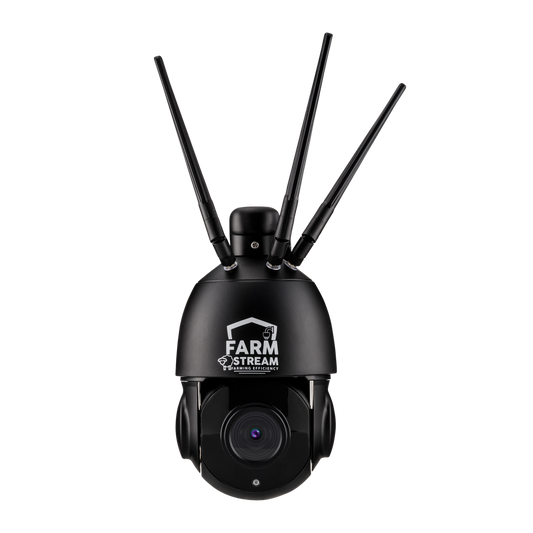
The old way to find out was grim detective work over what was left. The new way is simpler: put a night-vision camera on the coop and know by morning. That's exactly why we built the Farmstream Solar 360 Mini — a solar-powered, 4G-connected camera with silent infrared night vision that works anywhere with a mobile signal, no WiFi or mains power needed.
This guide covers how to read the evidence a predator leaves behind, what each UK coop predator can and can't do, and how a camera turns a mystery — and a losing battle — into a solved case and a secure run.
What's Killing My Chickens? Quick Identification Guide

Each predator leaves a signature. Before you can watch for the culprit, it helps to know the shortlist — here's what the scene typically tells you, based on established predator identification guides:
| Predator | When it strikes | Tell-tale signs |
|---|---|---|
| Fox | Dawn, dusk & overnight (daytime in summer) | Multiple birds killed in a frenzy, often headless; one or two carried off; scattered feathers; digging under fences |
| Badger | Night | Brute-force damage — torn wooden panels, ripped-open pop holes; usually one bird taken, but may return |
| Mink / stoat / weasel | Night | Entry through tiny gaps; several birds dead with bites to the back of the neck; smaller birds and bantams most at risk |
| Rat | Any time, mostly night | Missing or partly eaten chicks; eggs stolen; toes and feet gnawed at roost; droppings, runs and burrows |
| Bird of prey | Daylight | Single bird eaten where it fell, remains plucked and spread; bantams and young birds most vulnerable |
| Dog | Any time | Birds badly bitten with deep puncture wounds, rarely eaten; fence jumped, dug under, or forced |
| Cat | Mostly night | Chicks or small bantams taken singly; wings, head and feet left behind; adult hens rarely touched |
💡 Top Tip
Before you tidy up after an attack, photograph everything — the birds, the feather trail, any damage to wire or timber, and the ground around the entry point. Note the time you found it and when the flock was last seen safe. Prints in mud, dig marks, and the state of the remains are exactly the details the table above works from — and they're gone the moment you reach for the wheelbarrow.
Useful — but the scene only ever narrows it down. A "fox-style" mass kill can be a mink. A dug-under fence can be a badger that then went through the wall instead. And if the bird simply vanished, you have nothing at all to go on. That's where the camera comes in.
Why Guessing Fails — and Why the Culprit Matters

Knowing your predator isn't trivia — it decides everything you do next:
- The defences are different. A fox is beaten with height, a buried apron and a shut door. A badger is "incredibly strong" and will tear off wooden panels and rip open pop holes — fencing that stops a fox is barely an inconvenience. A weasel laughs at all of it and slips through a 25 mm gap; only small-mesh integrity stops the mustelids. A sparrowhawk ignores every fence you own and comes from above.
- The law is different. Foxes may be controlled by landowners; mink are an invasive non-native species and can be lawfully trapped. But badgers are protected under the Protection of Badgers Act 1992 and birds of prey are protected under the Wildlife and Countryside Act 1981 — harming either is a criminal offence. If your culprit is protected, exclusion is your only lawful option, and you need to know that before you act.
- Predators come back. A fox that has found your coop treats it as a larder — they will carry birds off and bury some for eating later, and scope out a coop over several visits before attacking. Whatever killed last week is very likely on camera this week.
- "It vanished" tells you nothing. A hen missing without a feather could be fox, badger, mink, or a bird of prey that carried off a bantam. Only footage turns a disappearance into an answer.
⚠ Common Mistake
Blaming the fox by default — and spending the defence budget before you've confirmed the culprit. New fencing does nothing against a badger that goes through the coop wall, a weasel that fits through the mesh, or a hawk that comes from above. Identify first, then spend: a night or two of footage is far cheaper than fox-proofing against a predator that isn't a fox.
The good news: because predators return, identification is fast. Point a night-vision camera at the coop and in most cases you'll have your culprit on film within a night or two — and often discover the failure point in your defences in the same clip.
The Fox: The UK's Number One Coop Predator
Poultry keepers don't argue about the top of the list. As PoultryKeeper puts it, "Mr Fox has to be every poultry keeper's number one enemy" — and the fox has earned the title:
- He kills more than he takes. Foxes "usually rip the heads off chickens and will kill as many birds as they can in a frenzy", then carry one or two away and cache them for later. It's why a fox visit so often means losing the whole flock, not one bird.
- He's a planner. Foxes are described by ChickenGuard as a "cunning, smart foe" that will assess your coop and run over multiple reconnaissance visits before committing. The night he strikes is rarely his first visit — which means your camera will usually see him coming.
- He climbs and digs. A fox can clear a 5-foot fence with ease, squeeze through small gaps, tear thin chicken wire with his teeth, and dig under anything that isn't buried.
- He doesn't only come at night. The peak danger window is June to August, when cubs learning to hunt appear in the early evening and morning — and in spring, vixens hunt in daylight to feed cubs. Urban keepers see even more daytime boldness: foxes have been recorded in 90% of 65 UK cities surveyed.
The dusk lock-up is your single best defence — the British Hen Welfare Trust warns that early evening is peak danger, with foxes taking hens in the dwindling daylight. But it only works every single night, including the one you're late home. A camera won't shut the door for you — but it will show you the fox that arrived twenty minutes before you did, and tell you it's time for an automatic door closer.
★ Expert Advice
A fox that appears on camera twice without attacking is telling you where he'll strike. Those reconnaissance visits are your early warning — note where he enters the garden, which stretch of fence he works along, and where he lingers. That's the spot to reinforce and the angle to keep the camera on. Most keepers get this warning days before the attack; without a camera, nobody ever knows it happened.
Badgers, Mink, Rats & Birds of Prey
When it isn't a fox, it's one of these — and each demands a different fix:
- Badgers: the demolition crew. A badger doesn't sneak in; it tears off wooden panels and rips open pop holes with sheer strength, typically taking one bird but coming back for another. If your coop shows structural damage — splintered boards, a pop hole forced off its runners — think badger before fox. Remember: badgers are legally protected, so the answer is stronger housing and buried fencing, never harm.
- Mink, stoats & weasels: the gap-finders. The mustelids won't usually tackle large hens but are a real threat to bantams and smaller birds, and mink will kill everything in the house. The signature is several birds dead with bites to the back of the neck, inside a run that looks untouched — because the killer came through a gap you'd never have believed. On camera they're unmistakable: low, fast, and rope-thin.
- Rats: the slow bleed. Rats rarely make headlines, but they steal eggs, spread disease, gnaw wiring and even chicken feet, and will take chicks at night. Overnight footage reveals the scale of a rat problem long before the droppings do — and shows you exactly where the runs and burrows are.
- Birds of prey: the daylight raiders. Female sparrowhawks can take bantams, and goshawks have taken full-size cockerels; buzzards will take chicks. The scene is distinctive — a single bird eaten where it fell, plucked feathers spread around. All raptors are fully protected by law, so the lawful fix is overhead netting on the run and cover for young birds. Daytime footage confirms the culprit so you don't waste money fox-proofing against an attack from the sky.
Different culprits, different fixes — and every one of them identifiable from a single clip.
How a Night-Vision Camera Solves It in One Night
Here's what changes the moment a camera goes up on the coop:
- You get the culprit, not a theory. Silent infrared night vision captures everything that visits the run after dark — no lights, no noise, nothing to spook the predator or the hens. Most keepers have their answer within a night or two, because predators that have found a coop keep coming back.
- You see the break-in point. The clip doesn't just show what — it shows how: the corner where the fox digs, the panel the badger tests, the gap under the gate the mink uses. Your defence budget goes exactly where the failure is.
- You get a warning, not a post-mortem. Smart motion alerts ping your phone the moment something enters the run — often during those reconnaissance visits, before a single bird is lost. Two-way audio lets you challenge a predator (or next door's dog, or an egg thief) in real time.
- You check the flock without leaving the kitchen. The same camera does the 10 pm "did I shut the pop hole?" check from your phone — and a remote pan around the run at dawn beats a dressing-gown dash across a wet lawn.
And because the camera records 24/7 to its SD card, it catches the daytime raiders too — the sparrowhawk at 2 pm, the young foxes at 7 in the evening, the rat traffic at dusk. The full picture, not just the night shift.
Why the Solar 360 Mini Is Ideal for Chicken Coops
The Farmstream Solar 360 Mini was built for exactly the places chickens live: the bottom of the garden, the orchard, the allotment, the field corner — beyond the WiFi, with no plug socket in sight. At £199, it's a one-off purchase that costs less than replacing a decent flock of point-of-lay hens.
Why chicken keepers are choosing it:
- Silent infrared night vision (20–30 m): The feature that answers the question. Clear footage in total darkness, with no light or sound to disturb roosting hens or alert the predator.
- Completely off-grid: The included 26 W solar panel and built-in battery keep it running 24/7, year-round — no extension lead trailing down the garden.
- No WiFi needed: The built-in eSIM auto-connects to the strongest 4G network in your area (EE, Vodafone, Three, or O2) — allotments and field coops get the same coverage as the back garden.
- 5MP HD video (2560 × 1920): Sharp enough to tell a stoat from a rat, a vixen from a cub — and to read the number plate of an egg-shed thief.
- 355° pan and 90° tilt: One camera position covers the coop, the run, and the fence line — swept from your phone.
- Auto-tracking: Detects movement and follows it — keeping the fox in frame as he circles the run.
- Smart push alerts: Know the moment anything enters the run, day or night.
- Two-way audio: A shout through the speaker sends most predators — and unwelcome humans — on their way.
- 24/7 recording, 64 GB on-board: Roughly 2–3 weeks of continuous footage (upgradeable to 256 GB), so nothing is missed even if you never open the app that day.
- IP66 weatherproof & relocatable: Move it from the coop to the brooder shed to the greenhouse in minutes — it's yours, not the installer's.
Coop within reach of the router? The Farmstream 360 (£299) is also available in WiFi and PoE versions, with 4K resolution for long views across a bigger garden or smallholding.
Where to Mount a Chicken Coop Camera

The Solar 360 Mini ships with pole-mount fixings, screws and fittings, so installation takes minutes. For predator identification, position beats everything:
- Covering the pop hole and run door: The single best spot. Every predator that gets in — and every one that tries — passes the entrance. This is also the view that confirms the door actually closed at dusk.
- Along the fence line: If you've found digging, point the camera down the most vulnerable stretch — the clip will show you whether it's a fox excavating or a badger simply leaning through.
- The wider run: Mounted on a 2–3 m post with the 355° pan, one camera sweeps the whole run and its approaches — and auto-tracking follows whatever moves.
- Inside a large walk-in run or shed: For mustelid and rat problems, an interior view catches what exterior cameras miss — the killer that's already inside the wire.
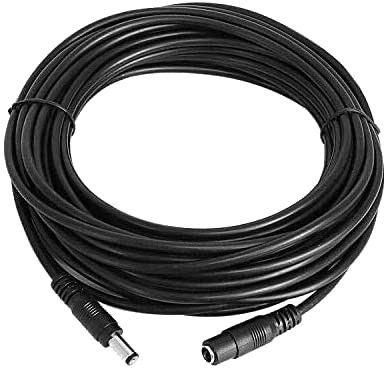
Mount it high enough that the view isn't blocked by the coop itself, angle it to cover its own approach, and put the solar panel in an unshaded spot within 2 m of the camera (the cable can't be extended) — worth remembering under trees, where mounting above the canopy line of the hedge usually solves it.
💡 Top Tip
Test the view at night, not just in daylight. On the first evening, open the live view after dark and check the infrared covers the pop hole and the likely approach routes — then walk the fence line yourself and confirm the motion alert fires. Five minutes of testing beats discovering a blind spot the morning after a visit.
Fixing the Defences: Fox-Proofing Guided by Footage
Once the camera has named your culprit, the fix is targeted instead of guesswork. If it's the fox — and it usually is — the standards are well established:
⚠ Common Mistake
Trusting traditional chicken wire. The hexagonal stuff keeps chickens in — it does not keep predators out. Foxes can tear it with their teeth, and weasels pass straight through the larger gauges. Use strong 1-inch weldmesh for the run and 25 mm or smaller where mustelids are a risk.
- Go higher than you think: Fencing should be at least 6 ft (180 cm) high, ideally with an outward-sloping top — foxes clear 5 ft fences with ease.
- Go deeper too: Bury the wire at least 8 inches down, curled outwards flat by another 8 inches — the digging fox hits mesh and gives up. The British Hen Welfare Trust recommends the same outward-facing apron at the base of the fence.
- Automate the lock-up: Most fox losses happen the one evening the door wasn't shut. An automatic door closer on a timer or light sensor removes the human error — and your camera confirms it worked, every night, from your phone.
- Electrify the perimeter: For bigger runs and orchards, electrified poultry netting "works wonders" — and the camera shows you the fox testing it once, then not coming back.
- Then verify: This is the step nobody could do before. Leave the camera running after the upgrade and watch the defence work — the fox that circles, probes, and leaves empty-handed is the most reassuring clip you'll ever film.
If the footage shows a badger, put the budget into badger-strength housing — solid timber, secured panels, a pop hole that locks — rather than fence height. If it's a mustelid, it's a gap hunt with 25 mm mesh. If it's a hawk, it's overhead netting. The camera makes sure you fix the right thing once, instead of the wrong thing repeatedly.
Setup in Under 10 Minutes
The Solar 360 Mini is a true plug-and-play chicken coop camera. No IT knowledge, no network configuration, and no installer.
Four steps to your first night of answers:
- Mount the camera overlooking the coop entrance and run — on a post, the shed, or a fence.
- Mount the solar panel in an unshaded spot within 2 m of the camera.
- Download the free CamHipro app and scan the QR code on the camera.
- Start watching — motion alerts, live view, and 24/7 recording are on from the first evening.
There's no limit on connected devices, so the whole household can get the alerts — and be part of the reveal when the culprit finally shows itself.
Case Study: The Fox That Turned Out to Be a Badger
A smallholder in Somerset kept a dozen hens in a walk-in run at the top of a paddock, well beyond WiFi range. Over three weeks she lost five birds in two separate attacks. The evidence said fox: birds gone, feathers everywhere, a scrape under the fence. So the defences said fox too — new 6 ft fencing, a buried apron, and an automatic pop-hole door. A fortnight later, two more hens were dead inside the house, and a corner panel of the coop had been forced clean off its screws.
She mounted a Solar 360 Mini on a post covering the coop and run. On the second night, a motion alert at 1:40 am showed the answer in sharp infrared: a badger, shouldering the repaired panel like a turnstile. The fox everyone blamed appeared on camera too — three nights later, circling the new fence, testing the buried apron, and leaving.
The fix changed completely. Instead of more fencing, the money went into the housing: heavier timber, panels screwed and banded, a locking pop hole on a solid frame. The badger returned twice more, failed twice on camera, and hasn't been seen since. The hens have been untouched for eight months — and the camera now spends its evenings confirming the door shut, and its mornings letting her check the flock from the kettle.
Total cost: £199 — after a month of reinforcing the wrong defence against the wrong predator.
FAQs
What is killing my chickens?
In the UK, the most likely culprit is a fox — multiple birds killed with neck bites, often headless, one or two carried away. A badger leaves brute-force damage to the housing; mink, stoats and weasels squeeze through tiny gaps and kill several birds with bites to the back of the neck; rats take chicks and eggs; birds of prey strike by day and eat the bird where it fell; dogs leave badly bitten birds that are rarely eaten. The only way to know for certain is footage — a night-vision camera usually identifies the culprit within a night or two.
Why does it matter which predator it is?
Because the fix — and the law — differ. Fox-proofing is height, a buried apron and a shut door; a badger needs badger-strength housing and is legally protected; mink can be lawfully trapped as an invasive species; birds of prey are fully protected, so overhead netting is the only answer. Guess wrong and the attacks continue while you reinforce the wrong thing.
Do foxes attack chickens during the day?
Yes. Peak fox activity is dawn, dusk and overnight, but vixens hunt in daylight in spring to feed cubs, and from June to August young foxes learning to hunt appear in the early evening and morning with little fear of people. That's why 24/7 recording matters, not just night coverage.
How much does a chicken coop camera cost?
The Solar 360 Mini is a one-off purchase of £199. The optional 4G streaming plan is £89/year (50 hours of live viewing). Recording 24/7 to the SD card uses no data at all, and the camera is fully unlocked if you'd prefer to use your own SIM.
Do I need WiFi or mains power at the coop?
No. The Solar 360 Mini runs entirely on its included 26 W solar panel and built-in battery, and connects directly to 4G using its built-in eSIM — which auto-selects the strongest network in your area. Ideal for orchard coops, allotment hens and field-corner runs. If your coop is close to the house, the Farmstream 360 is also available in WiFi and PoE versions.
Will the night vision disturb my hens?
No. Infrared night vision is completely silent and invisible to the birds — no lights, no noise. The hens roost undisturbed while the camera records everything that moves around the run.
How do I fox-proof a chicken coop?
Fencing at least 6 ft (180 cm) high with an outward-sloping top; wire buried 8 inches deep and curled outwards another 8 inches; strong 1-inch weldmesh instead of chicken wire; an automatic door closer so the flock is shut in every night without fail; and electrified poultry netting for larger areas. Then leave the camera running to verify the defences actually work.
Can I harm a badger or bird of prey that's killing my chickens?
No. Badgers are protected under the Protection of Badgers Act 1992, and all birds of prey are protected under the Wildlife and Countryside Act 1981 — harming either is a criminal offence. The lawful response is exclusion: stronger housing and buried fencing for badgers, overhead netting for raptors. Identifying the culprit on camera first tells you which defence is both effective and legal.
Will the camera catch rats too?
Yes — and usually before you know you have them. Overnight footage shows rat runs, burrow entrances and feed raids long before the classic signs appear, so you can act while it's still a small problem.
How much footage can the camera store?
The included 64 GB SD card holds roughly 2–3 weeks of continuous 24/7 recording (upgradeable to 256 GB). Once full, the oldest footage is overwritten automatically — so export any clip you want to keep promptly.
Find Out What's Killing Your Chickens — From £199
The Solar 360 Mini gives you silent infrared night vision, 5MP HD video, motion alerts, auto-tracking and two-way audio — powered entirely by solar and connected via 4G. No WiFi, no wiring, no installer. Mount it over the run this evening, and most keepers have their answer — the fox, the badger, the mink, the hawk — within a night or two. Then fix the right defence, once, and watch it work. At £199, it's less than the cost of replacing the flock.

Free UK shipping · Same-day dispatch before 2 pm (Mon–Fri) · 30-day money-back guarantee · UK-based phone support