

Beehive Theft & Vandalism: Apiary Security for UK Beekeepers
Beehive theft has an uncomfortable truth at its centre: the person who steals your hives almost certainly keeps bees too.
Moving a live colony at night takes knowledge, equipment, and nerve — which is why, as the president of one beekeeping association put it when hives began disappearing across his county, "the worrying thing is the theft is being carried out by beekeepers". And the maths explains the rest: a good colony is worth £500 or more, queens of certain strains fetch up to £180, and overwintered nucs sell for around £300 each every spring. Incidents range from single hives to 40 hives taken from one Oxfordshire overwintering site.
And theft is only half the problem. Vandalism doesn't need any expertise at all — just a dark night and a kicked-over hive. One Sussex bee farmer lost 18 hives and an estimated 630,000 bees to vandals in a single incident — around £7,000 in replacement costs and, in his words, "my whole livelihood."
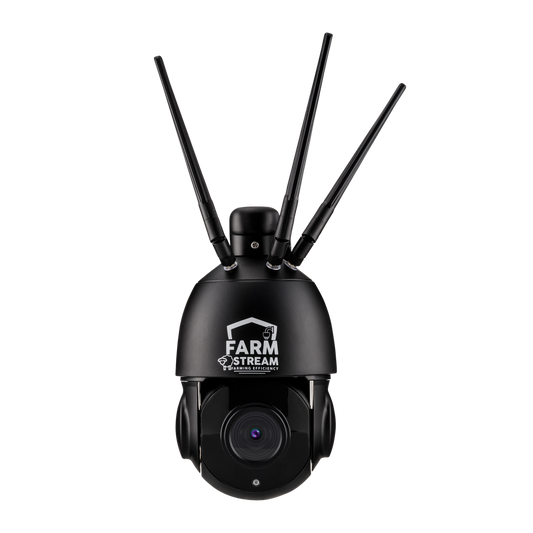
The problem for beekeepers is that apiaries are the definition of off-grid. Out-apiaries live in field corners, orchards, and farmland with no WiFi, no mains power, and no one watching — visited weekly in season and barely at all through winter. That's exactly why we built the Farmstream Solar 360 Mini — a solar-powered, 4G-connected apiary security camera that works anywhere with a mobile signal.
Published for the start of the season for a reason: spring is when your colonies are at peak value, swarm-season demand makes them easiest to sell on, and a winter's worth of unwatched nights comes to an end. This guide covers who steals hives and why, what vandalism does to an apiary, and how to put eyes on your hives before the season starts.
Beehive Theft: An Inside Job

Nobody steals a beehive by accident. The bees have to be shut in or clustered, the hive strapped, lifted, and moved — at night, when every bee is home. As The Apiarist's analysis of hive thefts makes clear, this is specialist crime: the BBKA has attributed thefts to "beekeepers or at least those with a rudimentary knowledge of the craft," and one Scottish case involved a full shook swarm — a technique for stripping every bee from a colony — carried out in someone else's apiary.
The numbers make hives worth stealing:
- £500+ for a good colony, with queens of certain strains fetching up to £180 — and one recorded UK theft was valued at £8,000.
- ~£300 for an overwintered nuc in spring 2026 — and spring demand means a stolen colony, split into nucs, converts to cash within weeks.
- 40 hives taken from a single Oxfordshire overwintering field — a five-figure loss in one night.
Three things make apiaries uniquely soft targets:
- Nobody's watching. Out-apiaries are visited weekly in season at best, and often monthly through winter. A theft on a Tuesday night might not be discovered until Sunday — by which time the hives are repainted in someone else's apiary two counties away.
- "Hidden" isn't hidden. The Oxfordshire hives couldn't be seen from the road — but as The Apiarist points out, apiaries show up clearly on Google and Bing satellite imagery. Anyone who wants to find hives can.
- The thief knows the routine. Because hive thieves keep bees themselves, they know when inspections happen, when supers come off, and when an apiary will be quietest. Discussions on the Beekeeping & Apiculture Forum keep returning to the same conclusion: the person you're defending against understands your calendar as well as you do.
Expert Advice: Plan your security around a thief who keeps bees. The BBKA attributes hive thefts to beekeepers or people with a working knowledge of the craft — so assume the person you're defending against knows what your colonies are worth, how to move them at night, and roughly when you visit. Locks and hedges don't beat that knowledge; being identifiable on camera does.
An apiary security camera earns its keep four ways:
- Deterrence: A visible camera and signage transforms the risk calculation for a thief whose entire plan depends on not being identified — because in a community of local associations and county inspectors, a recognised face ends a beekeeping reputation for good.
- Detection: Smart alerts tell you the moment a person enters the apiary — at 11 pm on a February night, that's not a walker admiring the hives.
- Evidence: Timestamped HD footage of faces, vehicles, and number plates turns "the hives were there on Sunday" into a case police can act on.
- Colony monitoring: A remote look at the apiary after a storm — stands upright, roofs on, entrances flying — without a forty-minute round trip.
But traditional wired CCTV simply doesn't work in a field corner. You need a camera that operates independently — no broadband, no mains power, no installation. That's where solar-powered 4G security cameras come in.
Vandalism: The Threat That Needs No Expertise

Theft takes a beekeeper. Vandalism takes nothing but malice — and it's often the more devastating of the two.
In Worthing, vandals destroyed 18 hives on the South Downs, killing an estimated 630,000 bees. The beekeeper — who ran South Downs Honey — put replacement costs at around £7,000, before counting the year of lost production while new colonies built up. "When the bee inspector called it was just shock, disbelief and anger," he said. "That's my whole livelihood."
Vandalism hits apiaries differently from theft:
- It's total. A thief takes hives intact because the colony is the value. Vandals tip hives over, smash frames, and leave colonies exposed to die of cold and robbing. A theft costs you equipment and bees; an attack can cost you every colony on the site.
- It's casual and nocturnal. Like allotment vandalism, hive attacks are typically opportunistic — a dark site near a footpath, a housing estate, or a lane where people gather. That makes them nearly impossible to predict, but very easy to deter: casual vandals don't perform for cameras.
- It's uninsurable heartbreak. Equipment can be claimed for; a queen line you've bred for five years can't. Prevention is genuinely the only remedy.
Top Tip: Signage does half the work. A "CCTV in operation" sign at every access point deters the casual vandal before they've touched a hive — put the signs up the same day you mount the camera, and make sure at least one is readable from outside the boundary.
The good news: the same camera covers both threats. The professional thief is deterred by the certainty of being identified; the midnight vandal is deterred by being watched at all — and a challenge through the camera's two-way audio ends most visits before the first hive is touched.
Why the Solar 360 Mini Is Ideal for Apiaries
The Farmstream Solar 360 Mini was designed for exactly these conditions. At just £199 — less than a single overwintered nuc — it's a fully self-contained off-grid security camera that runs entirely on solar power and connects via 4G. No wiring, no broadband, and no electrician needed.
Here's why beekeepers are choosing it:
- Completely off-grid: The included 26 W solar panel and built-in battery keep the camera running 24/7 — even through overcast UK winters, when apiaries go weeks between visits.
- No WiFi needed: The built-in eSIM auto-connects to the strongest 4G network in your area (EE, Vodafone, Three, or O2).
- 5MP HD video (2560 × 1920): Sharp enough to identify a face, a vehicle, and a number plate in the gateway.
- 355° pan and 90° tilt: Cover the hive stands, the access track, and the gateway from a single camera position.
- Auto-tracking: Detects human movement and automatically follows an intruder across the apiary.
- 20–30 m infrared night vision: Clear footage after dark — when hives are stolen (bees clustered inside) and vandals come out.
- Two-way audio: Challenge an intruder through the built-in speaker the moment the alert comes through. Being spoken to by a camera at 1 am usually ends the visit.
- Smart person & vehicle alerts: Alerts on people and vehicles — not movement in general — so tens of thousands of foraging bees won't trigger a single notification.
- 64 GB on-board storage: Records approximately 2–3 weeks of continuous 24/7 footage (upgradeable to 256 GB) — no cloud subscription required.
- IP66 weatherproof: Built for exposed field corners, driving rain, and everything a UK winter throws at it.
- Portable and relocatable: Move it between out-apiaries in minutes — or to the heather with your hives.
For larger sites — a bee farm yard, or an apiary in a big open field — you can pair the Solar 360 Mini with the Farmstream 360 (4K PTZ) for long-range coverage of gateways and access lanes.
Key Features to Look For in an Apiary Security Camera
Not every security camera suits a working apiary. Here's what matters most — and how the Solar 360 Mini delivers:
- No power dependency: Solar with built-in battery means no generators or battery-swapping trips. The 26 W panel is designed specifically for UK light conditions.
- No WiFi dependency: 4G connectivity with an auto-switching eSIM means you can deploy at any out-apiary with mobile coverage — the field corner, the orchard, the farm you rent a corner from.
- Smart human detection: An apiary is permanently full of movement. Person and vehicle detection means alerts fire for intruders, not for bees, badgers, or branches — so when your phone buzzes, it matters.
- Instant alerts, day and night: Hives are stolen at night for a simple reason — that's when the bees are all home. An alert while the thief's van is still in the gateway is worth infinitely more than discovering empty stands on Sunday.
- 24/7 recording: Continuous recording to the on-board SD card means every visit to the apiary is captured — even the "scouting" visit a week before the theft.
- Remote pan, tilt, and zoom: Check stands, roofs, and entrances between visits — especially after storms and through winter.
- Two-way audio: A voice from a camera ends most vandalism before it starts — and tells a hive thief the one thing that ruins the plan: you've been seen.
- Number plate capture: Hive theft needs a vehicle. 5MP resolution resolves plates at the gateway, and infrared keeps them readable after dark.
- Multi-user access: Share access with your bee buddy, the landowner, or association members — whoever's nearest can respond to an alert.
Solar-Powered CCTV: No Mains Power at the Apiary? No Problem

Apiaries don't have plug sockets. The best bee sites — sheltered field corners, orchards, the edge of the rape — are precisely the places furthest from mains power, and no landowner wants a cable trenched across their field for your hives.
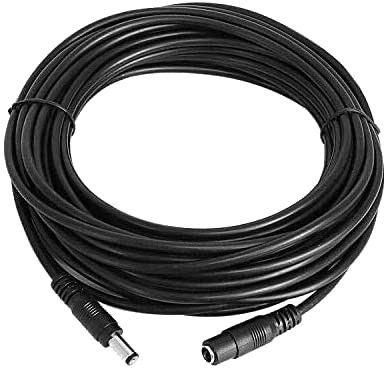
The Solar 360 Mini solves this entirely. It ships with a 26 W solar panel (400 mm × 350 mm) and a 2 m cable, so you simply mount the panel in an unshaded spot near the camera and you're done. The built-in battery stores enough energy to keep the camera running through the night and on cloudy days.
Thanks to intelligent power management and energy-efficient standby modes, the camera remains operational year-round — including the short, dark days between November and February, when your apiary goes longest between visits and a theft has the most time to go unnoticed. Peak vulnerability and minimum daylight arrive together; the camera is engineered for exactly that window.
Common Mistake: Choosing the panel's position in early spring. A spot that's in full sun in March can be in deep shade by July once the orchard or woodland edge leafs up. Check the position against full summer canopy — and if in doubt, mount the panel above the hedge line.
One apiary-specific note: bees won't bother the camera and the camera won't bother the bees. Mount it a few metres back from the hive stands with a clear view of the apiary and its access point — outside the main flight lines — and the lens stays clean and the colonies stay calm.
4G Cameras for Out-Apiaries Without Internet
There's no broadband in a field corner. The Solar 360 Mini connects directly to the mobile network using its built-in eSIM, which auto-switches to the strongest available 4G signal in your area — whether that's EE, Vodafone, Three, or O2.
How 4G data works with apiary cameras:
- The camera records 24/7 to its internal 64 GB SD card — this uses zero 4G data.
- 4G data is only consumed when you view live or recorded footage through the CamHipro app.
- Push notifications (motion alerts) use negligible data.
Farmstream's 4G Streaming Plan costs just £89/year and includes 50 hours of live viewing — more than enough for checking alerts and a weekly remote look at the stands. Monthly and higher-usage plans are also available.
The camera is also fully unlocked, so you're free to use your own data SIM if you prefer.
Top Tip: Do the signal check on your next apiary visit, before you order a pole or fixings. If your phone shows 4G anywhere on site — on any UK network — the camera's auto-switching eSIM will find a connection. A spot two metres up a pole usually gets a stronger signal than your phone does at head height.
What a Camera Costs vs What a Stolen Apiary Costs
Put the numbers side by side. A typical six-hive out-apiary in spring:
| What's at stake | Typical value |
|---|---|
| 6 hives with healthy colonies (£500+ each) | £3,000+ |
| Spare equipment, stands, feeders on site | £300–£600 |
| A season's honey crop from six colonies | £1,000+ |
| A bred queen line, lost to vandalism | Irreplaceable |
| Solar 360 Mini watching all of it | £199, once |
Compare the alternatives: installed wired CCTV typically starts at £1,000+ per camera position and needs mains power and broadband the apiary doesn't have; subscription WiFi cameras can't connect at all. The Solar 360 Mini is £199 outright — recording to the SD card is free forever, and the optional £89/year 4G plan only applies if you want remote live viewing. One camera costs less than one nuc; covering three out-apiaries costs £597 — against the £7,000-plus a single vandalism incident cost one Sussex bee farmer.
Where to Mount: Out-Apiaries, Gateways & Home Apiaries
The Solar 360 Mini ships with pole mount fixings, screws, and fittings — so installation is straightforward without specialist tools. Common mounting positions for beekeepers:
- Overlooking the hive stands: A 3–4 m pole a few metres back from the apiary, outside the main flight lines, covers every hive with the 355° pan. This is the position that catches vandals in the act.
- The gateway or access track: Hive theft needs a vehicle, and vehicles need the gate. A camera covering the gateway records every visitor and every number plate — including the scouting visit before the theft. On rented sites, ask the landowner: most are delighted, since the same camera watches their field.
- The home apiary: Garden apiaries are less likely to be stolen from but just as exposed to vandalism — especially where the garden backs onto a footpath, park, or estate. A camera on the shed or fence covers hives, boundary, and back gate together.
- Seasonal sites: Taking hives to the rape, the borage, or the heather means weeks on someone else's land, miles from home. The camera is self-contained — unbolt it and it goes with the bees.
Mount it high. A camera at head height invites tampering; at the top of a 3 m pole — out of arm's reach — it's visible enough to deter, safe from interference, and still close enough to identify a face. Use the included anti-tamper bolts, and angle the camera to cover its own approach so anyone coming for it is recorded first.
Two practical notes: mount the solar panel within 2 m of the camera (the cable cannot be extended) in an unshaded spot — worth checking against summer canopy if your apiary sits in an orchard or woodland edge. And where the public could be recorded (a footpath past the gateway, a shared farm track), display CCTV signage and angle the camera over your apiary rather than neighbouring land — the signage is half the deterrent anyway.
Setup in Under 10 Minutes
The Solar 360 Mini is a true plug-and-play apiary camera. No IT knowledge, no network configuration, and no specialist installer required.
Four steps to get your hives watched:
- Mount the camera where there's good 4G coverage — on a pole overlooking the stands, or at the gateway.
- Mount the solar panel in an unshaded spot within 2 m of the camera.
- Download the free CamHipro app on your phone and scan the QR code on the camera.
- Start viewing, recording, and receiving alerts — you're live.
Multiple devices can connect to the same camera, so you, your bee buddy, and the landowner can all get alerts and view the feed from their own phones. There's no limit on the number of users per camera.
Case Study: Three Out-Apiaries and One Bad Spring
A beekeeper in Herefordshire runs thirty colonies across three out-apiaries on rented farmland. One bad spring made the case for cameras: four hives vanished from his most remote site over a weekend in April — strapped, lifted, and gone, worth over £2,000 with spring colonies aboard. The police were sympathetic but had nothing to work with: no witnesses, no tyre tracks worth casting, and a site last visited five days earlier. The same month, two hives at his site nearest the village were tipped over on a Friday night — both colonies lost to cold and robbing before his Sunday visit.
Before the following season he installed a Solar 360 Mini at each site — one on a pole overlooking the stands at the remote apiary, one covering the gateway at the second, one on the orchard fence at the third — with CCTV signage at every access point. Total cost: £597, less than a third of one spring's losses.
The remote site has been untouched since — but the camera near the village earned its keep within months. A 12.40 am person alert showed two figures climbing the gate; a firm word through the two-way audio ended the visit in under thirty seconds, with both faces and a registration on the SD card. The clip went to the police the next morning. And through the season, the cameras quietly changed how he keeps bees: a post-storm check of all three sites now takes two minutes from the kitchen, and swarm-season glances at the hive entrances have saved more than one wasted trip.
Total cost for three Solar 360 Mini cameras: £597. Less than the value of a single stolen hive with a good colony — and the cameras are his for good.
Beyond Cameras: Marking, Trackers & Siting
A camera works best as part of a layered defence. The advice that recurs across The Apiarist, BeeKeepClub's theft prevention guide, and the Beekeeping & Apiculture Forum:
- Brand or mark everything. Heat-brand or engrave your postcode on brood boxes, floors, and frames — marked hives are hard to sell within a community where equipment gets recognised. UV pen marking adds an invisible second layer that survives a repaint.
- Fix hives down. Screwing floors to stands and using lockable straps won't stop a determined thief, but it slows the job — and hive theft is a crime of speed and silence.
- Consider a GPS tracker. A small tracker hidden in one hive per apiary, dormant until moved, turns a theft into a recovery. Cheap insurance on a site of £500 colonies.
- Site thoughtfully — but don't rely on it. Keeping hives out of sight of the road still matters for casual vandals, but remember the Oxfordshire lesson: apiaries are visible on satellite imagery, and the likeliest thief already knows where your bees are.
- Vary your routine. Irregular visit days and times deny a watching thief the certainty they need.
- Stay plugged into the community. Local association networks are how stolen hives get spotted. Report thefts to your association and share descriptions — the beekeeping world is small, and repainted hives with familiar frames have a way of being recognised.
Expert Advice: Brand the frames, not just the boxes. A stolen brood box can be repainted in an afternoon — but the frames of brood and stores inside are what the thief actually wants, and they end up on display at every inspection. Postcode-branded top bars are how stolen colonies get recognised months later at an association apiary or a nuc sale.
Every one of these raises the cost of stealing from you. The camera is the layer that also deters, alerts, and proves.
What to Do After a Theft or Attack: Evidence, Police & BeeBase
If the worst happens, what you do in the first hours matters:
- Call the police: 999 if a crime is in progress, 101 to report afterwards — and insist on a crime reference number. Hive theft is theft like any other, and vandalism is criminal damage.
- Export your footage promptly: Save clips of people, vehicles, and number plates with timestamps intact, and keep the originals. The SD card overwrites oldest footage first, so don't leave it weeks.
- Photograph the scene before tidying up: Empty stands, cut straps, tipped hives, tyre marks. For vandalism, document every colony lost — it matters for insurance and for the court if someone is caught.
- Notify the National Bee Unit and your association: Update your apiary records on BeeBase and tell your local association. This isn't just admin — the stolen Scottish nuc that carried European Foulbrood shows stolen colonies can spread notifiable disease wherever they end up, and association networks are how stolen hives get recognised.
- Tell your insurer: Check whether your BBKA membership or smallholding policy covers equipment; clear timestamped footage removes any argument about what was taken and when.
- Watch the market: Stolen colonies surface as cheap nucs and "clearance" hives on Facebook Marketplace and auction sites within weeks — another reason marked equipment and shared descriptions matter.
FAQs
How common is beehive theft in the UK?
More common than most beekeepers realise — and widely under-reported. Incidents range from single hives to 40 hives taken from one Oxfordshire overwintering site, and police forces have logged hundreds of thousands of bees taken across England and Wales. Rising colony values keep pushing the numbers up.
Who steals beehives?
Almost always someone with beekeeping knowledge. Moving a live colony at night takes skill and equipment, and both the BBKA and local associations acknowledge that thefts are carried out by beekeepers or people who know the craft. Your security plan should assume the thief knows what your hives are worth and when you visit.
How much is a beehive worth?
A complete hive with a healthy colony is typically worth £500+, overwintered nucs sell for around £300 in spring, and queens of particular strains fetch up to £180. A modest six-hive out-apiary can represent £3,000–£5,000 standing unattended in a field.
How much does an apiary security camera cost?
The Solar 360 Mini is a one-off purchase of £199 — less than one overwintered nuc. The optional 4G streaming plan is £89/year (50 hours of live viewing). Recording 24/7 to the SD card uses no data at all, and the camera is fully unlocked if you'd prefer to use your own SIM.
Do I need WiFi or mains power at my apiary?
No. The Solar 360 Mini runs entirely on its included 26 W solar panel and built-in battery, and connects directly to 4G using its built-in eSIM — which auto-selects the strongest network in your area. No broadband, no router, no mains power required.
Will bees set off the camera's motion alerts?
No. The camera alerts on people and vehicles, not general movement — so foraging bees, birds, and badgers won't fill your phone with notifications. When an alert comes through, it's a person in your apiary.
Will the camera disturb the bees?
Not at all. Mount it a few metres back from the stands, outside the main flight lines, and the colonies will ignore it completely — while the 355° pan and 90° tilt keep every hive in view.
Can a camera stop hive vandalism?
Deterrence does most of the work: casual vandals avoid watched sites, and CCTV signage alone changes behaviour. If someone does come over the gate, a person alert plus a challenge through the two-way audio ends most visits in seconds — and 5MP night vision records faces and registrations for the police if it doesn't.
What should I do if my hives are stolen?
Report to police on 101 and get a crime reference number, export your footage promptly, photograph the scene, update BeeBase, and tell your local association — the beekeeping community is small, and stolen hives are often recognised when they reappear for sale. Marked equipment makes recovery far more likely.
How much footage can the camera store?
The included 64 GB SD card holds approximately 2–3 weeks of continuous 24/7 recording. You can upgrade to a 256 GB card for longer retention. Once full, the oldest footage is automatically overwritten — so export clips of any incident promptly.
Protect Your Apiary This Season — From £199
The Solar 360 Mini gives you 5MP HD apiary security with pan, tilt, auto-tracking, night vision, and two-way audio — powered entirely by solar and connected via 4G. No WiFi, no mains power, no specialist installation. Mount it over the hive stands or at the gateway, and every visitor, every vehicle, and every incident is on record. At £199 — less than a single overwintered nuc — it watches every colony on the site, every night of the year.

Free UK shipping · Same-day dispatch before 2 pm (Mon–Fri) · 30-day money-back guarantee · UK-based phone support